
在中国传统中医文化中,肾被称为“先天之本”,象征着生命的根基与内在精气。在中医理论体系中,“肾”的概念不仅限于现代医学中的肾脏器官,还与生长、生命阶段及整体平衡等传统养生理念相关。
顺应四季、重视日常滋养,是中国传统养生文化的重要组成部分。接下来,让我们一起探索两款以传统中医文化为灵感的草本茶饮,感受东方草本搭配的独特魅力。
In Traditional Chinese Medicine (TCM), the Kidneys are traditionally regarded as the "Root of Life," symbolizing the foundation of vitality and essence. Within TCM philosophy, the concept of the Kidneys extends beyond the anatomical organs and is associated with traditional ideas about growth, life stages, and overall balance.
Seasonal living and everyday nourishment have long been important aspects of Chinese wellness traditions. Let's explore two herbal tea blends inspired by these time-honored practices and discover the distinctive character of traditional Chinese botanicals.

❄️ 认识传统中医的肾阳理念 | Understanding Kidney Yang in Traditional Chinese Medicine
在传统中医理论中,“肾阳”常被比喻为身体内在的温暖与活力,体现了古人对生命能量及阴阳平衡的理解。
“肾阳虚”是传统中医辨证体系中的一个概念,历史上常与温煦、活力及身体平衡等理论联系在一起。需要注意的是,中医所说的“肾”并不完全等同于现代医学中的肾脏器官,这些传统理论也不能直接作为现代医学诊断的依据。
In Traditional Chinese Medicine (TCM), Kidney Yang is often symbolically described as the body's inner warmth and vitality, reflecting traditional ideas about life energy and the balance of Yin and Yang.
"Kidney-Yang Deficiency" is a concept within the traditional TCM framework, historically associated with ideas of warmth, vitality, and internal balance. It is important to note that the TCM concept of the Kidneys is not identical to the anatomical kidneys in modern medicine, and these traditional concepts should not be used as a substitute for medical diagnosis.
💫 两款传统草本滋养茶饮 | Two Traditional Herbal Tea Blends for Everyday Nourishment
在中国传统草本文化中,不同植物原料常被搭配用于茶饮与日常食养。以下介绍两款以传统中医养生文化为灵感的草本茶饮,带您探索经典草本组合的独特风味与文化特色。
In traditional Chinese botanical culture, different herbs have long been combined in teas and everyday culinary preparations. Below, we introduce two herbal tea blends inspired by time-honored TCM traditions, highlighting their distinctive botanical ingredients, flavors, and cultural heritage.

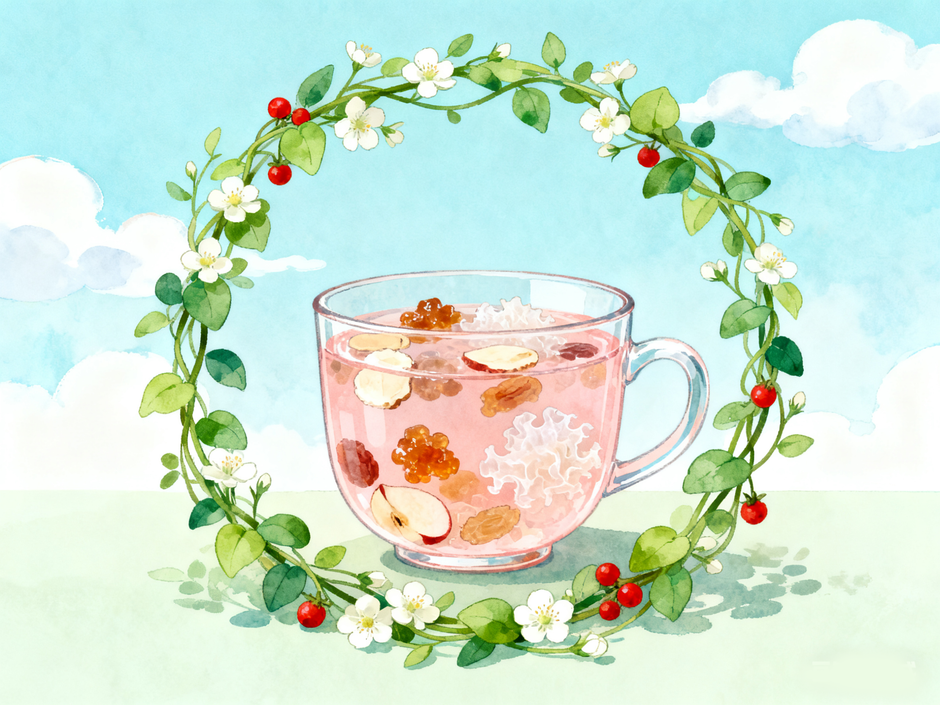
1. 🍵 姜枣桂圆滋养茶 | Ginger, Goji & Longan Herbal Tea
配方 | Ingredients: 生姜 + 枸杞 + 桂圆 + 红枣
Ginger + Goji Berries + Longan + Red Dates
-
生姜 | Ginger: 具有鲜明的辛香风味,是传统中式茶饮及汤品中常见的食材。
Known for its distinctive warm, spicy flavor, ginger is a familiar ingredient in traditional Chinese teas and soups.
-
枸杞 | Goji Berries: 具有自然甘甜的口感,在中国传统食养文化中拥有悠久历史。
Naturally sweet and widely appreciated in traditional Chinese food culture.
-
桂圆 | Longan: 果肉甘甜,常用于传统甜汤、茶饮及中式滋养食谱。
A naturally sweet fruit commonly enjoyed in traditional Chinese desserts, teas, and nourishing recipes.
-
红枣 | Red Dates: 具有柔和的自然甜味,是传统中式茶饮和汤品中的经典食材。
A classic ingredient in Chinese teas and soups, appreciated for its mild, naturally sweet flavor.
茶饮特色 | Blend Highlight
这款茶饮融合生姜的辛香与枸杞、桂圆、红枣的自然甘甜,呈现温暖柔和的传统中式茶饮风味,适合在日常休闲时光中享用。
This traditional-inspired tea combines the distinctive spice of ginger with the natural sweetness of goji berries, longan, and red dates, creating a warm and comforting beverage for everyday enjoyment.
2. 🌿 核桃与传统草本文化 | Walnut & Traditional Chinese Botanicals
传统配方原料 | Traditional Formula Ingredients: 核桃 + 杜仲 + 续断
Walnut + Eucommia Bark + Teasel Root
-
核桃 | Walnut: 核桃是中国传统饮食中常见的坚果,具有浓郁的坚果香气,含有植物脂肪及其他营养成分。
Walnuts are familiar ingredients in traditional Chinese cuisine, appreciated for their rich, nutty flavor and naturally occurring plant-based fats.
-
杜仲 | Eucommia Bark: 杜仲是中国传统本草文化中具有悠久使用历史的植物原料,常见于传统中医文献及草本配方记载。
Eucommia Bark is a botanical ingredient with a long history in traditional Chinese herbal literature and classical formulations.
-
续断 | Teasel Root: 续断是传统中医本草文献中记载的植物根部原料,具有独特的传统文化背景。
Teasel Root is a botanical root documented in traditional Chinese herbal literature and historical formulations.
传统文化介绍 | Traditional Botanical Background
在传统中医文化中,杜仲与续断常被归入与“肝肾”“筋骨”相关的本草理论体系。这些描述反映了历史上的传统应用,并不代表该组合已被证实能够改善骨骼、关节或肾脏功能。
In traditional Chinese herbal culture, Eucommia Bark and Teasel Root have historically been associated with TCM concepts involving the Liver, Kidneys, and musculoskeletal system. These descriptions reflect historical traditions and do not establish that the combination improves bone, joint, or kidney function.
注意事项 | Important Information
杜仲与续断并非普通食品原料,不建议未经专业指导自行搭配或长期饮用。具体原料的美国监管身份、安全性及适用性应另行确认。
Eucommia Bark and Teasel Root should not be treated as ordinary food ingredients without further evaluation. Their regulatory status, safety, and suitability for consumption in the United States should be independently verified.
🌟 日常养生小贴士 | Everyday Wellness Tips
1. 注意日常保暖 | Dress for Comfort
根据天气变化选择舒适的衣物,尤其在寒冷季节注意保暖。
Choose comfortable clothing appropriate for the weather, especially during colder seasons.
2. 享受温暖的放松时光 | Enjoy a Relaxing Evening Routine
睡前可以通过温水泡脚等舒适的生活习惯放松身心,注意水温适宜,避免烫伤。
A comfortable foot soak can be part of a relaxing evening routine. Use a safe water temperature to avoid burns.
3. 保持适度活动 | Stay Gently Active
太极拳、八段锦、散步及伸展运动都是可以根据个人喜好选择的日常活动。
Tai Chi, Baduanjin, walking, and gentle stretching are enjoyable ways to incorporate movement into everyday life.
4. 规律作息 | Maintain a Consistent Sleep Routine
保持规律的作息习惯,确保充足睡眠,让日常生活更加平衡。
Maintain a consistent sleep schedule and allow enough time for adequate rest.
📚 传统文化参考 | Traditional Cultural References
-
国家药典委员会. (2020). 《中华人民共和国药典》. 中国医药科技出版社。
-
张廷模. (2015). 《临床中药学》. 中国中医药出版社。
以上文献用于介绍传统中医本草文化,不代表文中原料或配方已被证实具有特定疾病治疗功效。
These references provide historical and traditional herbal context. They do not establish that the featured ingredients or formulas treat specific medical conditions.
📝 温馨提示 | Important Information
本文旨在分享传统中国草本文化、食材特点及日常养生习惯,仅供一般信息参考,不构成医疗建议。
传统草本原料的安全性、适用性及美国监管身份可能有所不同。孕妇、哺乳期人士、正在服药或有特殊健康状况者,使用草本产品前应咨询合格的医疗专业人士。
This article shares traditional Chinese botanical culture, ingredient information, and general wellness practices for informational purposes only. It does not constitute medical advice.
The safety, suitability, and U.S. regulatory status of traditional botanical ingredients may vary. Consult a qualified healthcare professional before using herbal products if you are pregnant, nursing, taking medications, or managing a medical condition.
从一杯温暖的传统茶饮开始,感受东方草本文化与日常生活的自然融合。
Discover the warmth of traditional Chinese tea culture and the beauty of botanical ingredients in everyday life.